According to Papert (1986), constructionism focuses on ‘learning by doing’ through reconstruction of knowledge received, rather than transmission. This pedagogical approach occurs in the classroom when students have the opportunity to explore manipulative resources during a hands on activity, through this meaningful learning can occur (Bower & Boyd, 2020). Extending on this concept of manipulating materials, makerspace are recognised as a space for this to occur (Peppler & Bender, 2013). Furthermore, these spaces allow for a place where individuals can merge digital and physical technologies to engage in learning and create a meaningful construction.
Tools explored in this weeks tutorial, that interlink both the concepts of constructionism and the maker movement, include, Chibitronics, 3D Printing and Micro-bit.
Chibitronics
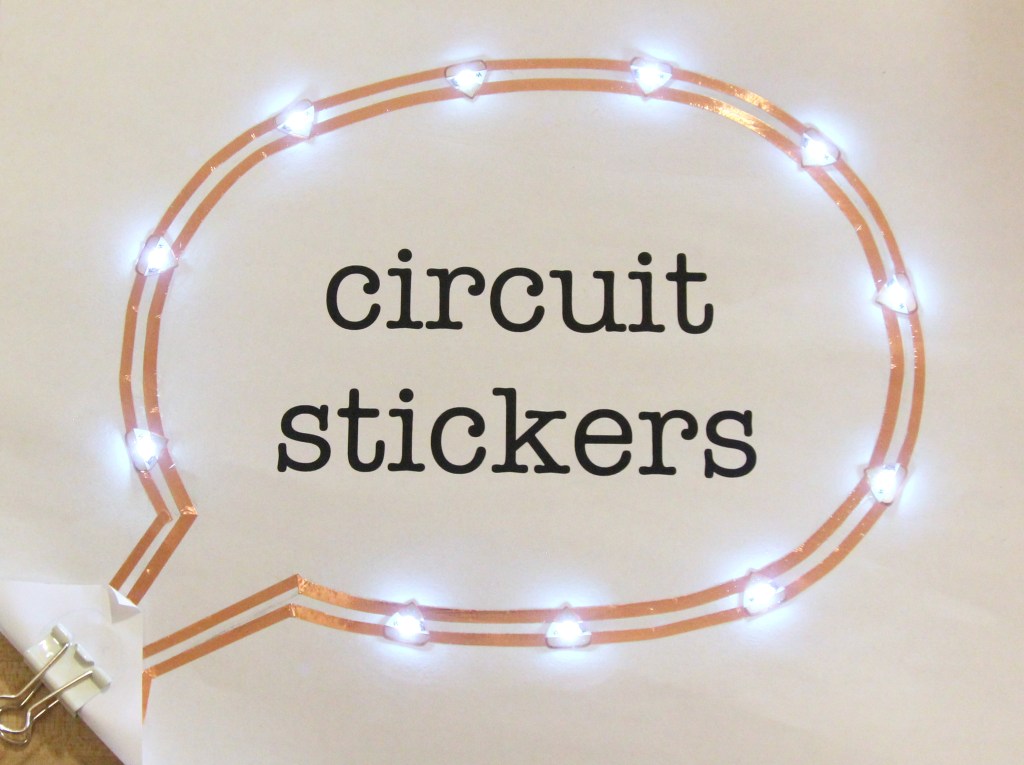
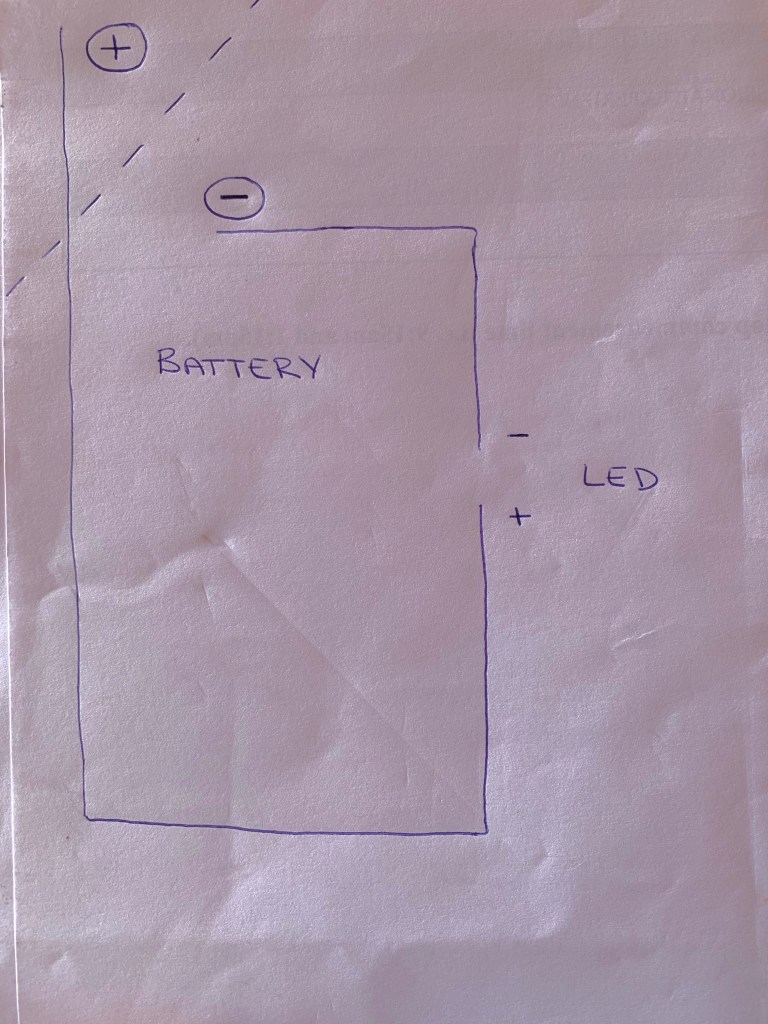
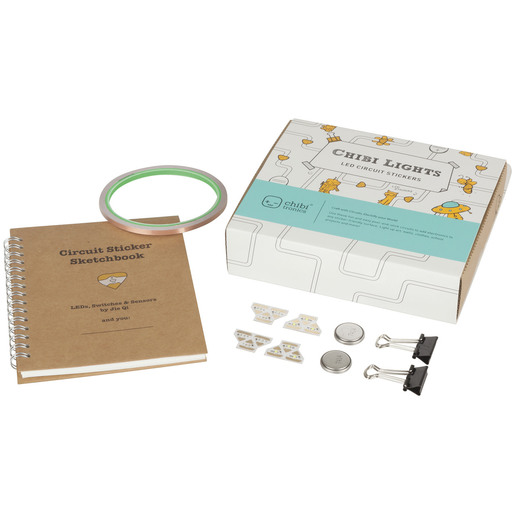
What is it is a resource which involves children using LED lights, paper and items in the classroom to design an electricity circuit.
Advantages and Disadvantages This tool encourages creative thought from students, in the design process of their product and items they choose to use. Additionally it is a very rewarding and engaging activity for students. However, due to the pieces being small in the Chibi Kit, I believe parts will go missing regularly. Overall, great concept, which is more appropriate for younger years.
Classroom Implications Chibi lights can be utilised across all STEM subject areas, or also used in art and craft, through successfully incorporating the lights into an artwork.
https://makerfaire.com/wp-content/uploads/2014/08/img_0647.jpg
and my own design.
3D Printing
3D printing provides an opportunity for students to utilise makerspaces and construct a design through creative thought and planning. This can be achieved through the website – Tinkercad and also implemented across any stage and any key learning subject areas. Further exploration of Tinkercad and 3D printing can be found in a previous blog.
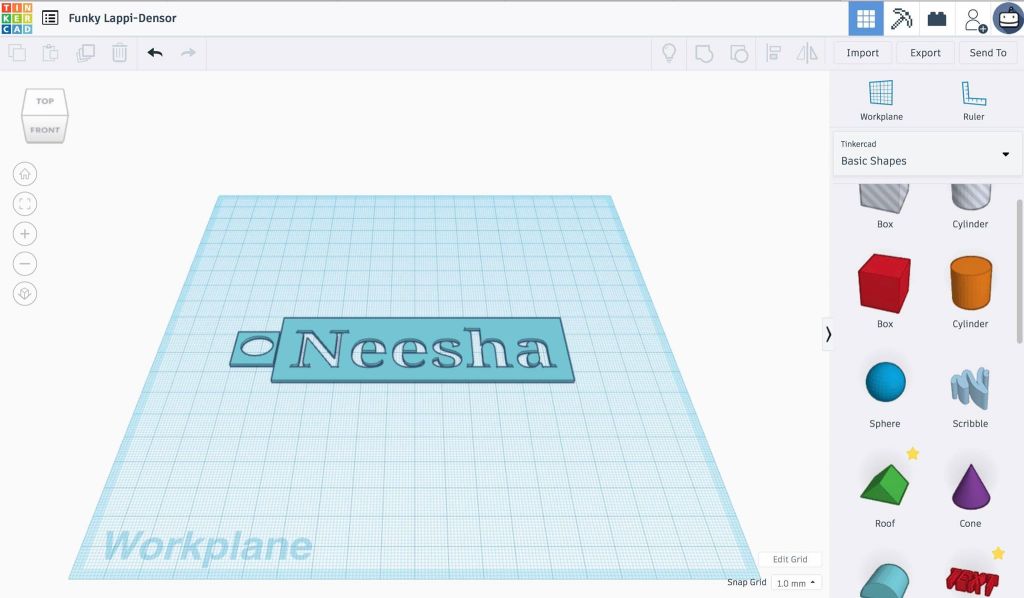
Own design
MicroBit
MicroBits foster creativity and computational thinking through coding. The construction of a design through the programming interface is then able to be downloaded on to the physical micro-bit, for a rewarding display of the specific tasks it was designed to show. More on Microbits can be found in a previous blog on my page.
Reference List:
Bower, M., & Boyd, S. (2020). Constructionism and the Maker Movement. Retrieved from https://ilearn.mq.edu.au/course/view.php?id=38549
Papert, S. (1986). Constructionism. [Massachusetts]: Massachusetts Institute of Technology, Media Laboratory, Epistemology and Learning Group.
Peppler, K., & Bender, S. (2013). Maker Movement Spreads Innovation One Project at a Time. Phi Delta Kappan, 95(3), 22-27. doi: 10.1177/003172171309500306
 EDUC3620 Digital Creativity and Learning