BeeBots
According to Jung and Won (2018), robotics involves a piece of machinery that can be programmed to assist in completing tasks. Therefore robotics in education can provide experiences for students to further understanding of technology and mechanical system by problem solving through the use of coding and computational thinking. These experiences can been further explored with the inclusion of the BeeBot.
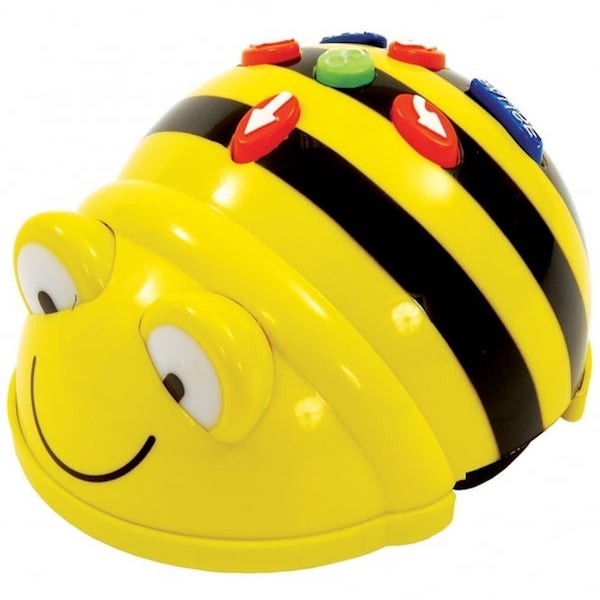
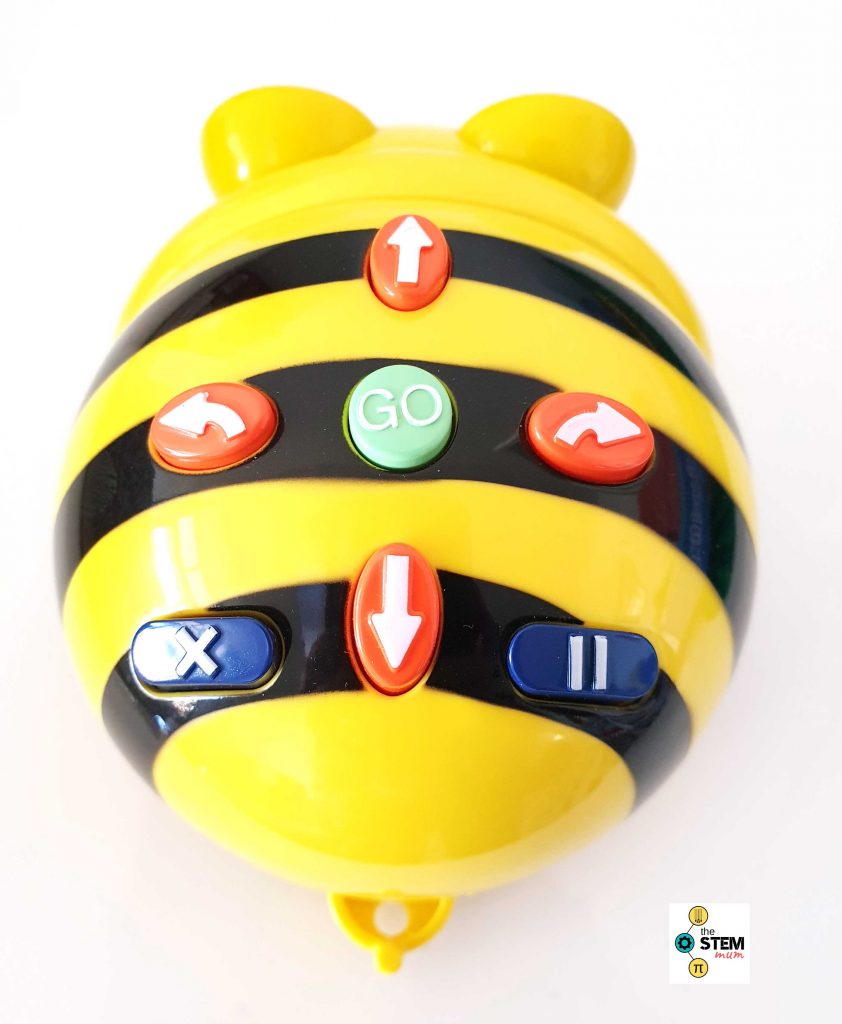
What is it? The BeeBot is a robot that can be programmed to move in various directions, following a precreated sequence. It is also designed to connects to different devices, such as ipads, to also program. The robot is specifically designed for early childhood/early primary students, it is an engaging resource in the form of a friendly bumblebee.
Advantages and Disadvantages The BeeBot is a great teaching resource to develop computational thinking in younger students. It offers a hands on experience for students to begin to understand coding. Although, it in limited in the sense that the robot is very simplistic, its movements involve going forwards, backwards and turning left or right. Thus making it unrealistic for older students to engage with, while other products such as Dassh and Dot and Cubletets which also explore coding but with more programmable features. Also, unlike Dash and Dot this robot is unable to recieve inputs from multiple sources, limiting its use for group work activities. However, despite its limitations the Beebot is a cost effective option to introduce into the classroom, that offers opportunities for students to explore coding whilst developing their computational thinking skills.
https://thestemmum.com/wp-content/uploads/2019/08/beebot-top-842×1024.jpg
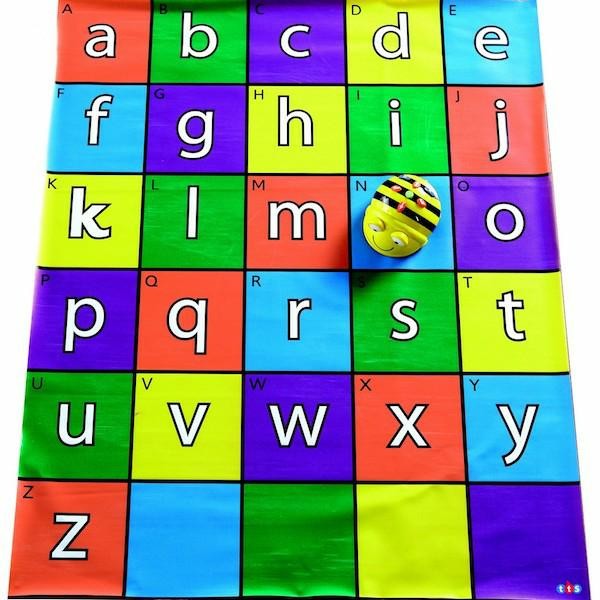
Classroom Implications The BeeBot, like most robotic tools, offers many levels andapproaches that can create interactive learning experiences across various KLA subjects (Alimisis, 2012). It is particularly explored in technology for early coding, alothough it can also be used in other areas, such as mathematics with the incorporation of a shape map to explore shapes and patterns.
References:
Alimisis, Dimitris (2012). Robotics in Education & Education in Robotics: Shifting Focus from Technology to Pedagogy. Robotics in Education Conference, 2012.
Available at: https://pdfs.semanticscholar.org/be99/1d6cface636a180fa394ee621c2bb09df1e7.pdf
Jung, S. E. & Won, E. (2018). Systematic Review of Research Trends in Robotics Education for Young Children. Sustainability. 10(4), 905
 EDUC3620 Digital Creativity and Learning